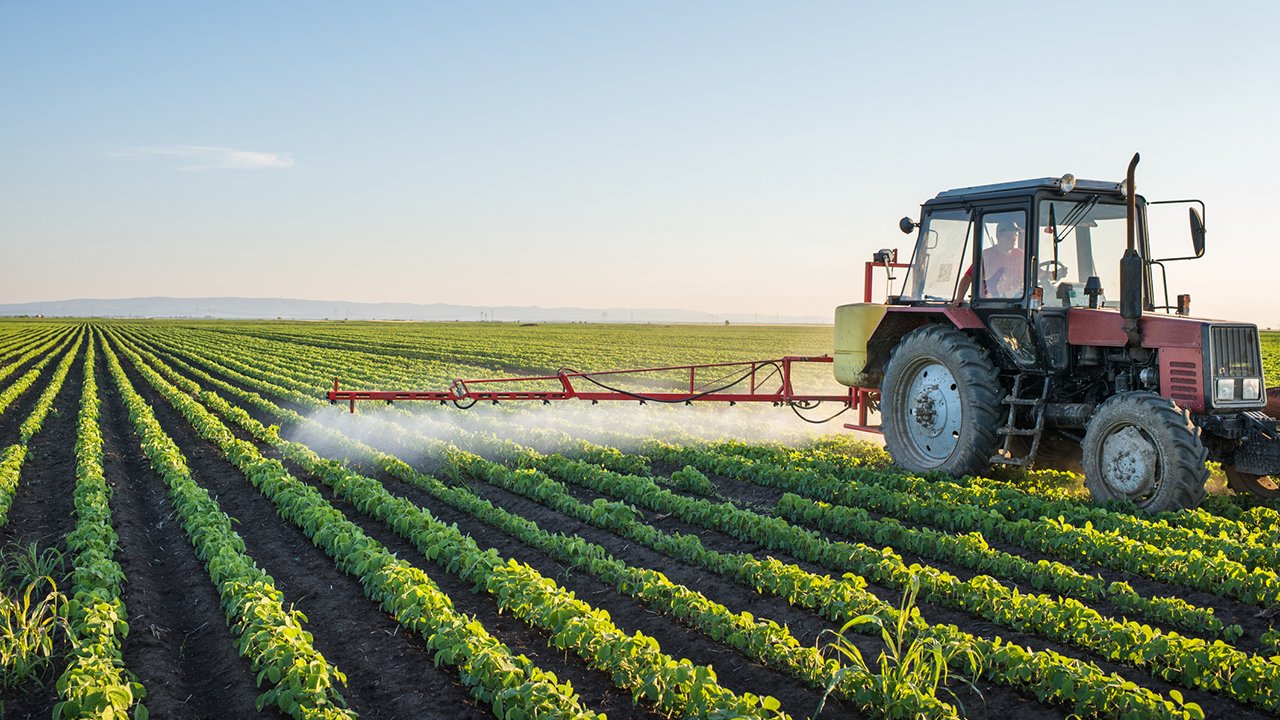
So you’re loving life in Australia and want to stay for another year? In order to be granted a second-year visa, you will need to complete 88 days of specified work in a regional area - so here are all your questions answered to complete 88 days of farm work on the 417 working holiday maker visa.
What does the specified work include for the 417 working holiday maker visa?
The specific work includes jobs like forestry, mining, solar farms, fishing and some construction but the most popular option by far is plant cultivation, such as fruit picking/packing.
Mining jobs are extremely popular since many of the backpackers got themselves to WA during the pandemic. Mining jobs can be a great way to complete your 88 days of farmwork and make a lot of money, however it may take you longer as the hours are usually 2 weeks on, 1 week off. This would mean you do more hours per week but would only be eligible to count 14 days every 3 weeks. Additionally, the best location to find FIFO work currently is Perth with a small range of jobs in SA and Queensland
88 days or 176 days of Farmwork
We started our 88 days of farmwork just 3 weeks into our time in Australia back in 2018. It meant we could get it out of the way at the start and never have to think about it again - or so we thought! We loved that we made this decision, as we were able to just concentrate on fun things for the rest of our first year in Oz but it’s all good if you do it at another stage, it just needs to be completed before your first-year visa is up, so make sure you give yourself time.
Australia now offers working holiday makers the opportunity to extend their working holiday visa for the third year, so long as you are willing to work a further 6 months in a 'specified job'. When this was first declared as an option, we were roundtripping WA and it honestly sounded like our worst nightmare! Why on earth would we want to do 88 days of formwork again, TWICE? However, like many, we fell in love with Australia. We loved the opportunity to make a lot of money, in an environment where we could save easily and we also got to work together too. We've now been in Australia for 4 years and have spent about 2 years of that doing formwork, the other half we lived in Sydney and have travelled a LOT.
Formwork isn't for everyone, especially if you are unfortunate enough to get a bad one at the beginning (like us, the piece rate wasn't easy!). So we're here to help you find the best 88 days formwork jobs, get paid well and make lots of money doing it!
"How much time do I need to complete 88 days of farm work?"
Always give yourself more than 88 days to complete it.
Farm work is unpredictable. Sometimes the work can stop due to weather conditions or the season can end prematurely. It took us 4 months to complete ours and we know people who have taken much longer.
Looking for farm work can be quite daunting, as there are a lot of horror stories out there so we’re here to help that process be a little less scary and confusing. We had a sound experience throughout our farm work, albeit sometimes making little money but we came away with no poisonous bites, no horror stories and we regularly got a sausage sizzle on the farms too!
"How to calculate 88 days of formwork Australia"
So the best way to calculate your 88 days of formwork, is to work full time at a minimum of 38 hours a week. This enables you to count 7 days towards your 88 days formwork. However, if you work less than 38 hours a week, you can only count the number of full-time 7.6-hour days that you actually worked. There are some helpful apps which can calculate the days for you too, such as 88 days.
You also don’t have to do the 88 days straight, they can be split up however you like and with as many farms as you like. We personally, ge4t a little bored after 2 months. So it keeps things interesting if you switch it up. Of course, if you find a great farm, stick around! We stayed on a farm for 6 months during corvid.
There are two main ways to get paid when doing 88 days of farm work.



0 Comments